


Cart
0
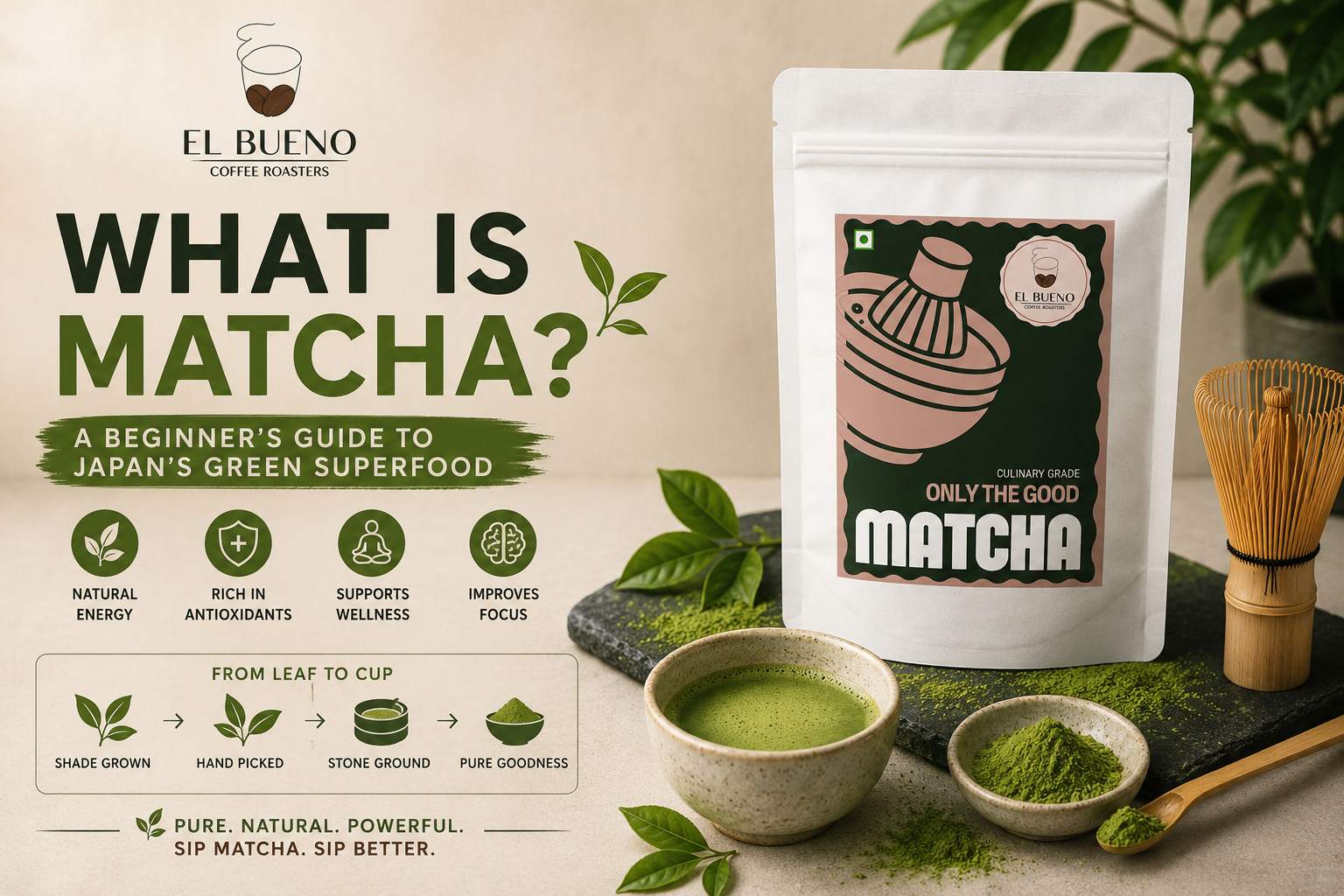
Have you noticed bright green lattes, smoothies, and desserts becoming increasingly popular in cafés and on social media? Chances are, you've come across matcha. While it may seem like a modern wellness trend, matcha has been a cherished part of Japanese culture for centuries.
Today, matcha is loved not only for its unique flavor but also for its impressive health benefits, natural energy boost, and versatility. Whether you're a tea enthusiast, a coffee lover looking for alternatives, or simply curious about healthy beverages, this beginner’s guide will help you understand what matcha is and why it has earned the title of Japan’s green superfood.
What Is Matcha?
Matcha is a finely ground powder made from specially grown green tea leaves. Unlike traditional green tea, where leaves are steeped and discarded, matcha allows you to consume the entire tea leaf in powdered form.
This means you receive a higher concentration of nutrients, antioxidants, and beneficial compounds compared to regular green tea.
The origins of matcha can be traced back to ancient Japan, where it became an important part of traditional tea ceremonies. Today, it is enjoyed worldwide in beverages, desserts, and wellness recipes.
How Is Matcha Made?
The process of producing matcha is what makes it unique.
A few weeks before harvest, tea plants are shaded from direct sunlight. This encourages the leaves to produce more chlorophyll and amino acids, resulting in their vibrant green color and distinctive taste.
After harvesting:
-
Leaves are carefully selected.
-
Stems and veins are removed.
-
The leaves are dried.
-
They are stone-ground into an ultra-fine powder.
This careful process helps preserve the flavor, nutrients, and natural sweetness of the tea.
What Does Matcha Taste Like?
Many first-time drinkers are surprised by matcha’s flavor.
High-quality matcha offers:
-
A smooth, earthy taste
-
Mild natural sweetness
-
Creamy texture
-
Slight umami notes
Lower-quality matcha may taste more bitter, which is why choosing premium matcha is important for the best experience.
Why Is Matcha Called a Superfood?
Matcha has earned its superfood reputation because it contains a remarkable concentration of beneficial nutrients.
Rich in Antioxidants
Matcha contains catechins, a type of antioxidant that helps protect cells from damage caused by free radicals.
One of the most powerful catechins found in matcha is EGCG (Epigallocatechin Gallate), which has been widely studied for its potential health benefits.
Natural Energy Boost
Matcha contains caffeine, but unlike coffee, the energy release tends to be smoother and longer lasting.
This is because matcha also contains L-theanine, an amino acid that promotes calm focus while reducing the jittery feeling sometimes associated with coffee.
Supports Focus and Concentration
Many people drink matcha before work, studying, or creative activities because it helps promote alertness while maintaining a sense of calm.
May Support Metabolism
Some studies suggest that green tea compounds may help support metabolic function when combined with a balanced diet and active lifestyle.
Provides Essential Nutrients
Matcha contains:
-
Vitamin C
-
Vitamin A
-
Potassium
-
Iron
-
Fiber
-
Chlorophyll
Because the entire leaf is consumed, these nutrients are delivered more efficiently than in traditional tea.
Matcha vs Green Tea
Many beginners wonder whether matcha and green tea are the same.
While both come from the same plant, there are significant differences.
|
Matcha |
Green Tea |
|
Consumed as a powder |
Leaves are steeped and removed |
|
Higher antioxidant content |
Lower concentration |
|
Richer flavor |
Lighter flavor |
|
Contains more caffeine |
Lower caffeine content |
|
Creamy texture |
Watery consistency |
For those looking for maximum nutritional benefits, matcha often offers a more concentrated experience.
Different Types of Matcha
Ceremonial Grade Matcha
This is the highest quality matcha available.
It is typically used for traditional tea ceremonies and enjoyed on its own with hot water.
Characteristics include:
-
Vibrant green color
-
Smooth texture
-
Minimal bitterness
-
Naturally sweet flavor
Culinary Grade Matcha
This type is designed for cooking and beverages.
It works well in:
-
Matcha lattes
-
Smoothies
-
Baking
-
Desserts
While slightly more robust in flavor, it remains an excellent option for daily use.
How to Prepare Matcha
Preparing matcha is surprisingly simple.
Traditional Method
You will need:
-
1 teaspoon matcha powder
-
70–80 ml hot water (not boiling)
-
Bamboo whisk or milk frother
Steps:
-
Sift the matcha into a bowl.
-
Add hot water.
-
Whisk in a zig-zag motion until frothy.
-
Enjoy immediately.
Matcha Latte
For a creamier drink:
-
Prepare matcha using the traditional method.
-
Add steamed milk or a plant-based alternative.
-
Sweeten if desired.
The result is a smooth, energizing beverage that many people enjoy as a coffee alternative.
Is Matcha Better Than Coffee?
The answer depends on personal preference.
Coffee offers:
-
Stronger caffeine content
-
Bold flavor
-
Quick energy boost
Matcha offers:
-
Sustained energy
-
Calm focus
-
High antioxidant content
-
Lower risk of caffeine crashes
Many people enjoy both, depending on the time of day and their energy needs.
How to Choose High-Quality Matcha
When shopping for matcha, look for:
-
Bright green color
-
Fine texture
-
Fresh aroma
-
Japanese origin when possible
-
Minimal bitterness
Avoid matcha that appears dull, yellowish, or overly bitter, as these can indicate lower quality.
Bringing Quality Beverages Into Everyday Life
As more people explore specialty beverages, matcha continues to gain popularity alongside specialty coffee.
Brands like El Bueno Coffee Roasters are helping consumers discover premium beverage experiences through a focus on quality, craftsmanship, and carefully sourced products. While known for their dedication to exceptional coffee and brewing solutions, the growing interest in specialty drinks like matcha reflects a broader appreciation for thoughtfully crafted beverages that prioritize flavor, quality, and experience.
Whether you enjoy coffee, matcha, or both, choosing high-quality ingredients can significantly enhance your daily ritual.
Final Thoughts
Matcha is much more than a trendy green drink. Its rich history, unique production process, impressive nutritional profile, and balanced energy boost make it one of the most celebrated beverages in the world.
For beginners, matcha offers an easy and enjoyable way to explore a healthier beverage option while experiencing a centuries-old Japanese tradition. Whether enjoyed as a traditional tea, creamy latte, or ingredient in recipes, matcha provides a flavorful and rewarding experience worth discovering.
Frequently Asked Questions (FAQs)
1. What is matcha made from?
Matcha is made from specially grown green tea leaves that are dried and stone-ground into a fine powder.
2. Does matcha contain caffeine?
Yes. Matcha contains caffeine, but it also contains L-theanine, which helps provide a smoother and more sustained energy release.
3. Can I drink matcha every day?
Yes. Many people enjoy matcha daily as part of a balanced lifestyle.
4. What is the difference between ceremonial and culinary matcha?
Ceremonial matcha is higher quality and intended for drinking on its own, while culinary matcha is designed for recipes, lattes, and cooking.
5. Is matcha healthier than coffee?
Matcha and coffee offer different benefits. Matcha provides antioxidants and sustained energy, while coffee delivers a stronger caffeine boost.
6. What does matcha taste like?
Matcha has an earthy, slightly sweet, creamy flavor with subtle umami notes.
7. How should matcha be stored?
Store matcha in an airtight container away from heat, light, and moisture to maintain freshness and flavor.
8. Can beginners drink matcha?
Absolutely. Matcha is suitable for beginners and can be enjoyed as tea, lattes, smoothies, or desserts.


