


Cart
0
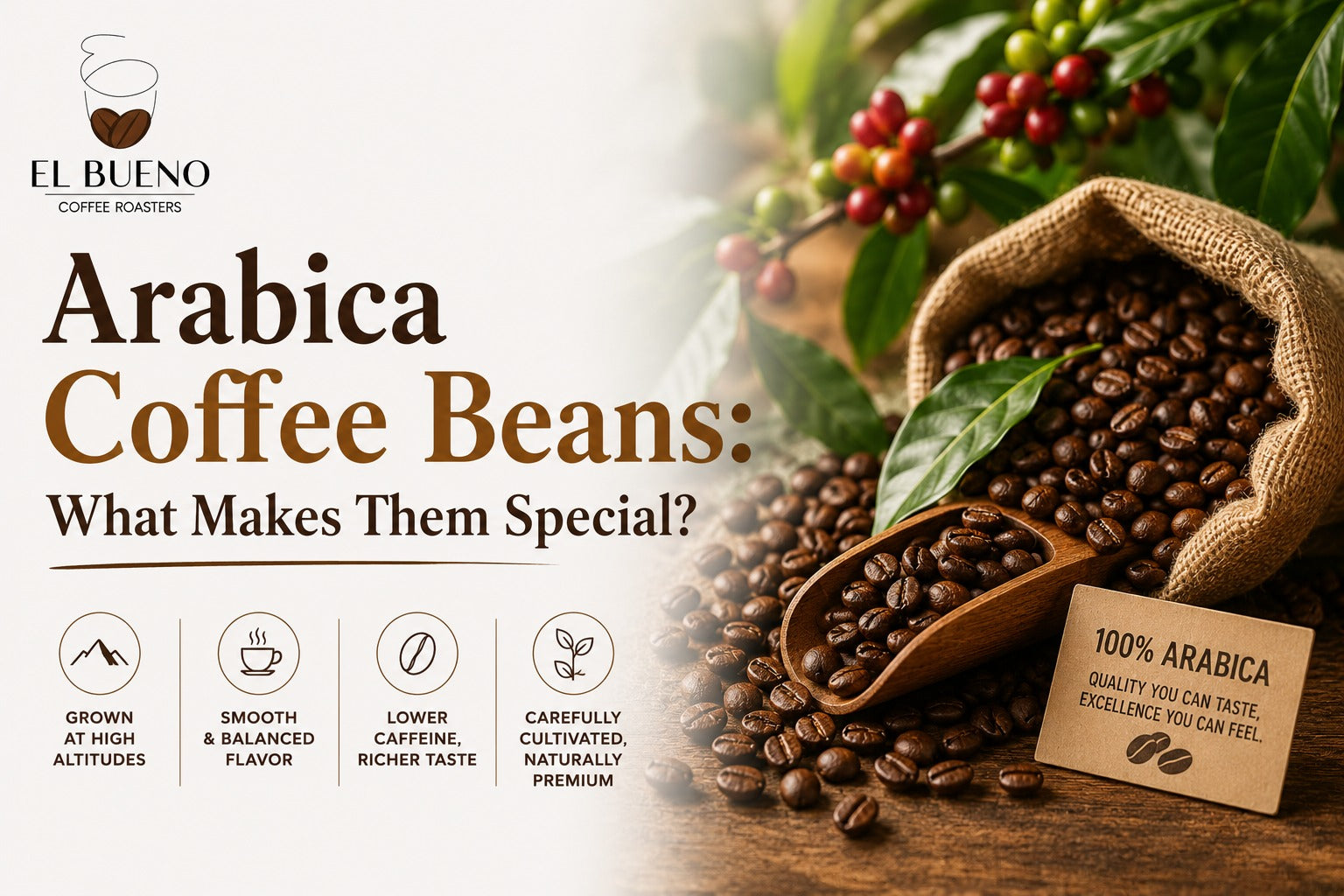
If you enjoy a smooth, aromatic, and flavourful cup of coffee, there is a good chance you have come across Arabica coffee beans. Known for their complex flavours, pleasant aroma, and naturally refined taste, Arabica beans are among the most popular coffee beans enjoyed around the world.
But what exactly are Arabica coffee beans? How are they different from Robusta? Where are they grown, and how should you brew them?
This guide explains everything you need to know about Arabica coffee beans, from their origin and flavour profile to choosing and brewing them at home.
What Are Arabica Coffee Beans?
Arabica coffee beans are the seeds of the Coffea arabica coffee plant. They are one of the most widely cultivated coffee species and are particularly valued in specialty coffee because of their diverse and complex flavour profiles.
Arabica coffee plants generally grow best in higher-altitude regions with suitable temperatures, rainfall, and soil conditions. The growing environment, coffee variety, processing method, and roasting technique can all influence the final flavour in your cup.
Unlike commercial coffee that may prioritise consistency and volume, specialty Arabica coffees are often selected for distinctive characteristics such as sweetness, acidity, aroma, and body.
Where Do Arabica Coffee Beans Come From?
Arabica coffee is believed to have originated in the highlands of Ethiopia. Today, it is cultivated across many coffee-producing regions, including parts of:
- India
- Ethiopia
- Colombia
- Brazil
- Kenya
- Guatemala
- Costa Rica
- Honduras
- Indonesia
Each growing region can produce very different flavour characteristics.
For example, some Ethiopian Arabicas may feature floral and fruit-forward notes, while certain Brazilian coffees can offer chocolate, nutty, and caramel-like flavours. Indian Arabicas can also showcase a fascinating range of profiles depending on the estate, variety, altitude, and processing method.
What Does Arabica Coffee Taste Like?
One of the biggest attractions of Arabica coffee is its flavour complexity.
Depending on where and how the coffee is grown and processed, Arabica can have tasting notes such as:
- Chocolate
- Caramel
- Nuts
- Citrus
- Berries
- Stone fruit
- Floral notes
- Spices
- Brown sugar
- Dried fruit
Arabica is not limited to one particular flavour profile. Its taste can vary significantly from one coffee to another.
This variety is one of the reasons specialty coffee enthusiasts enjoy exploring single-origin and single-estate Arabica coffees.
Neither bean is universally "better." The right choice depends on your taste preferences and how you want to brew your coffee.
Why Are Arabica Beans Popular in Specialty Coffee?
Arabica beans are particularly important in specialty coffee because they can express a wide range of flavours.
Factors such as altitude, soil, climate, coffee variety, processing, roasting, and brewing influence what ultimately appears in the cup.
A carefully processed Arabica coffee can offer layers of sweetness, acidity, aroma, and body that make the drinking experience more complex.
This is also why two Arabica coffees from different estates can taste completely different.
Indian Arabica Coffee Beans
India has a long history of coffee cultivation, particularly in the southern states.
Important Indian coffee-growing regions include:
- Karnataka
- Kerala
- Tamil Nadu
- Andhra Pradesh
- Odisha
Indian Arabica coffees can display a wide range of characteristics depending on their origin and processing method.
Higher-altitude estates may produce coffees with greater acidity and complexity, while different processing techniques can bring out fruitier, sweeter, or more chocolate-forward characteristics.
For coffee drinkers in India, exploring locally grown Arabica can be an excellent way to discover the diversity of Indian specialty coffee.
What Factors Affect the Flavour of Arabica Coffee?
The bean itself is only one part of the equation. Several factors influence the final cup.
1. Coffee Variety
Different Arabica varieties can have different characteristics. Varieties such as SLN 795, S-9, Caturra, Bourbon, Typica, and others can produce distinctive flavour profiles depending on where they are grown.
2. Growing Altitude
Altitude can influence the rate at which coffee cherries mature. In suitable conditions, slower maturation can contribute to greater flavour development and complexity.
3. Processing Method
After harvesting, coffee cherries need to be processed to remove the fruit surrounding the seeds.
Common methods include:
- Washed processing
- Natural processing
- Honey processing
Each method can influence sweetness, acidity, body, and fruit characteristics.
4. Roasting
Roasting transforms green coffee into the aromatic beans used for brewing.
A lighter roast can highlight origin characteristics and acidity, while a medium or darker roast may emphasise body, caramelisation, chocolate, and roasted flavours.
5. Brewing Method
Even excellent Arabica beans can taste very different depending on how they are brewed.
Pour-over, French press, espresso, AeroPress, and other brewing methods can highlight different characteristics of the same coffee.
Are Arabica Coffee Beans Good for Espresso?
Yes. Arabica coffee beans can be excellent for espresso.
The right beans and roast profile can produce an espresso with sweetness, aroma, balanced acidity, and a pleasant body.
Some espresso blends combine Arabica with Robusta to create additional body and crema, while specialty cafés may use 100% Arabica beans to showcase the unique characteristics of a particular origin.
The ideal choice depends on the flavour profile you're looking for.
Are Arabica Coffee Beans Good for Black Coffee?
Absolutely.
Arabica beans are particularly enjoyable as black coffee because you can experience their natural aroma and flavour without milk or sugar masking the coffee's characteristics.
For example, a well-brewed Arabica may reveal notes of:
Chocolate → caramel → citrus → berries → floral aromas
The actual profile depends on the coffee, but exploring black coffee is one of the easiest ways to understand the differences between origins and processing methods.
How Should You Brew Arabica Coffee Beans?
There isn't one perfect brewing method for every Arabica coffee.
Pour-Over
Pour-over brewing is excellent for coffees where you want to highlight aroma, acidity, sweetness, and delicate flavour notes.
French Press
French press brewing generally produces a fuller-bodied cup and can work particularly well with medium-roasted Arabica beans.
Espresso
Espresso uses pressure to produce a concentrated coffee. It is ideal for creating drinks such as lattes, cappuccinos, and Americanos.
AeroPress
An AeroPress offers flexibility and can produce a clean, balanced cup with relatively simple equipment.
The most important factors include using freshly roasted beans, grinding them appropriately for your brewing method, and maintaining a consistent brewing recipe.
How Should Arabica Coffee Beans Be Stored?
Proper storage can help preserve the freshness and aroma of your coffee.
Follow these simple practices:
- Keep beans in an airtight container.
- Store them away from direct sunlight.
- Avoid excessive heat.
- Keep moisture away from the beans.
- Buy an amount you can consume while the coffee is reasonably fresh.
- Grind beans shortly before brewing whenever possible.
Whole beans generally retain their freshness better than pre-ground coffee because grinding increases the surface area exposed to oxygen.
Why Freshly Roasted Arabica Beans Matter
Coffee is a fresh agricultural product, and roasting brings out the aromatic compounds that create its familiar flavour.
Freshly roasted Arabica beans can provide a more vibrant and expressive cup when properly stored and brewed.
This is why choosing a coffee roaster that pays attention to sourcing, roasting, and freshness can make a noticeable difference.
El Bueno Coffee Roasters is a Delhi-based specialty coffee roaster that has been working with coffee since 2018. The brand sources coffee from selected Indian estates as well as international origins and offers options including single-estate coffees, blends, and customised roast profiles.
Whether you're brewing at home or looking for coffee for a café, restaurant, or hotel, exploring freshly roasted Arabica beans can help you discover a much wider range of flavours.
How to Choose the Best Arabica Coffee Beans
Before buying Arabica coffee, consider the following:
Check the Roast Date
Look for a clear roast date rather than only a best-before date. Freshness is important when you're looking for aromatic and flavourful coffee.
Consider the Origin
Single-origin or single-estate coffees can help you understand how geography affects flavour.
Choose the Right Roast
If you prefer bright and delicate flavours, a lighter roast may appeal to you. If you prefer chocolatey, nutty, and fuller flavours, consider medium or darker roast profiles.
Think About Your Brewing Method
Choose beans that suit your preferred preparation method. Espresso and filter brewing can require different roast and grind approaches.
Explore Different Processing Methods
Washed, natural, and honey-processed coffees can taste dramatically different, even when made from the same coffee variety.
Frequently Asked Questions About Arabica Coffee Beans
What are Arabica coffee beans?
Arabica coffee beans are the seeds of the Coffea arabica plant. They are widely used in specialty coffee and are known for their diverse aromas and flavour profiles.
Is Arabica coffee stronger than Robusta?
Not necessarily. Robusta generally contains more caffeine, while Arabica is often valued for its smoother and more complex flavour.
Is Arabica coffee less bitter?
Arabica is often perceived as less bitter and more nuanced than Robusta, but bitterness depends on the coffee variety, roast, extraction, and brewing method.
Are Arabica beans good for black coffee?
Yes. Arabica beans can be excellent for black coffee because brewing without milk or sugar allows their natural flavour characteristics to stand out.
Are Arabica beans good for espresso?
Yes. Arabica beans can produce excellent espresso, particularly when the roast profile and brewing recipe are well matched to the coffee.
Does Arabica coffee have caffeine?
Yes. Arabica naturally contains caffeine, although it generally has less caffeine than Robusta coffee.
Which country produces the best Arabica coffee?
There is no single "best" country. Ethiopia, Colombia, Brazil, India, Kenya, Guatemala, Costa Rica, and other origins produce Arabica coffees with distinctive characteristics.
How should I store Arabica coffee beans?
Store whole beans in an airtight container in a cool, dry place away from light, heat, and moisture.
Should I buy whole Arabica beans or ground coffee?
Whole beans are generally preferable if you have a grinder because grinding immediately before brewing can help preserve aroma and flavour.
Final Thoughts
Arabica coffee beans offer an enormous world of flavour to explore. From floral and fruit-forward coffees to chocolatey, nutty, and caramel-rich profiles, the characteristics of Arabica can change dramatically depending on its origin, variety, processing method, roast, and brewing technique.
If you're new to specialty coffee, trying different Arabica origins can be a great starting point. Pay attention to the tasting notes, roast date, processing method, and brewing technique to discover what suits your palate.
With carefully sourced coffees, considered roasting, and options ranging from single-estate lots to signature blends, El Bueno Coffee Roasters provides coffee enthusiasts and professional buyers with fresh specialty coffee to explore.
The best Arabica coffee isn't simply the one with the highest price it is the one whose origin, roast, freshness, and flavour profile match your taste.


