If you’ve ever stood at a coffee counter wondering what separates a flat white from a latte or a cappuccino, you’re not alone. The flat white has quietly become one of the most ordered espresso drinks in specialty coffee shops around the world and yet it remains one of the most misunderstood. This guide covers everything you need to know: what a flat white actually is, where it came from, what it tastes like, and how to know when you’re drinking a genuinely well-made one.
What Is a Flat White Coffee?
A flat white is an espresso-based coffee drink made with a double shot of espresso and a small amount of steamed whole milk, typically served in a 150 ml to 180 ml ceramic cup. The milk is microfoamed steamed to a silky, velvety texture with very fine bubbles and poured over the espresso in a way that integrates the two rather than sitting one on top of the other.
The Defining Characteristics
The result is a drink that is stronger and more espresso-forward than a latte, smaller in volume than a cappuccino, and noticeably smoother than either. Two things define it above everything else:
The ratio. A flat white uses less milk than a latte but more than a traditional macchiato. The espresso is not diluted, it is complemented.
The texture. The foam, when done correctly, is thin and integrated flat, as the name suggests rather than thick and frothy. That thin layer of microfoam sitting on top is what gives the drink its name.
The milk enhances the espresso rather than masking it, which is why flat white drinkers tend to be people who genuinely enjoy the flavour of coffee rather than those looking to soften it.
The Origins of the Flat White: Australia vs New Zealand
A Debate That Has Never Been Settled
The origin of the flat white is one of the more genuinely contested debates in coffee history, with both Australia and New Zealand claiming credit and neither side willing to concede.
The Australian claim centres on a Sydney cafe during the 1980s where the drink was reportedly first named and served as a deliberate alternative to the frothy, foam-heavy cappuccinos that dominated at the time. The New Zealand claim is equally specific, with Wellington cafes from the same era asserting that the flat white was already a standard menu item before it reached Australian shores.
How It Spread to the Rest of the World
What is not disputed is that the flat white grew out of the broader Antipodean specialty coffee culture of the 1980s and 1990s a culture that prioritised espresso quality, milk texture, and ratio balance in a way that European and American coffee traditions had not yet embraced.
When Australian and New Zealand baristas began migrating to London in significant numbers during the early 2000s, they brought the flat white with them. The drink spread rapidly through the city’s emerging specialty coffee scene. By 2010 it had crossed the Atlantic, and Starbucks added it to their US menu in 2015, introducing the name if not always the authentic preparation to mainstream American coffee culture.
According to the Specialty Coffee Association, the flat white now ranks among the fastest-growing espresso drinks globally, driven by consumers who want more coffee flavour in a smaller, more refined serving.
What Does a Flat White Taste Like?
The Balance Between Espresso and Milk
The taste of a flat white is defined by one thing above all else: balance. Because the volume of milk is lower than a latte, the espresso character comes through clearly. You will taste:
The roast profile of the bean
The natural acidity or sweetness depending on origin
The full body of a properly extracted double shot
The steamed milk adds creaminess and a natural sweetness without introducing the heavy foam texture of a cappuccino. When the milk is correctly microfoamed and integrated with the espresso, the drink has a uniform silky texture from the first sip to the last.
Why Temperature Matters
A flat white is typically served slightly cooler than a latte because the smaller milk volume heats faster and holds heat longer in the cup. This makes it more pleasant to drink immediately, rather than waiting several minutes for it to cool down.
How the Bean Shapes the Flavour
What you taste ultimately depends on the espresso used. A flat white made with a medium roast single origin from Ethiopia will taste completely different from one made with a dark roast Brazilian blend. This is precisely why specialty coffee roasters put such care into bean selection because in a drink this small and ratio-sensitive, the quality of the coffee is fully exposed.
Flat White vs Latte vs Cappuccino : Key Differences
These three drinks use the same core ingredients espresso and steamed milk but produce entirely different experiences based on ratio and foam texture.
Volume: 150 ml to 180 ml (similar size to flat white)
Espresso: Single or double shot
Milk texture: Equal parts steamed milk and thick foam
Flavour profile: Bold espresso with a pronounced foamy finish
According to Perfect Daily Grind, one of the most widely read specialty coffee publications, the flat white’s higher coffee-to-milk ratio makes it the preferred choice among coffee professionals when they want to taste the espresso clearly without drinking a straight shot.
Why Bean Quality Defines Your Flat White
The Drink Has Nowhere to Hide
A flat white is unforgiving by design. There is no excess milk volume, no flavoured syrup, no dominant foam layer to mask what the espresso actually tastes like. The bean, the roast, and the extraction are front and centre in every sip.
Where El Bueno Coffee Roasters Comes In
This is where roasters like El Bueno Coffee Roasters become genuinely relevant. Their espresso-focused blends are developed with milk-based drinks specifically in mind meaning the roast profile is calibrated to hold its character and intensity when combined with steamed milk, rather than disappearing into it.
The result is a flat white where the coffee flavour is present, distinct, and enjoyable rather than a vague backdrop to warm milk. If you’ve been making flat whites at home and finding them underwhelming, the espresso bean is almost always the variable worth reconsidering first — and El Bueno’s range is a practical starting point for anyone serious about improving their home espresso.
How to Make a Flat White at Home
What You Need
An espresso machine with a steam wand
Freshly ground espresso beans
Whole milk
A 150 ml to 180 ml ceramic cup
Step-by-Step Method
Step 1 – Pull your espresso : Use 18 to 20 grams of ground coffee, targeting a yield of 36 to 40 grams of liquid in 25 to 30 seconds. A double shot is non-negotiable for a proper flat white.
Step 2 – Steam your milk : Use approximately 120 ml of whole milk. Position the steam wand just below the surface and work it to incorporate air gradually, creating microfoam rather than large bubbles. Target 60 to 65 degrees Celsius.
Step 3 – Texture check : Swirl the milk jug after steaming until the surface looks glossy and the consistency resembles wet paint. If you can see large bubbles, tap the jug on the counter and swirl again.
Step 4 – Pour : Pour in a slow, controlled stream over the espresso, integrating the milk from the base of the cup upward. The pour should take 3 to 4 seconds.
The One Variable Most People Overlook
Technique and equipment both matter, but the bean defines the ceiling of what your flat white can taste like. Starting with a well-sourced, properly roasted espresso from a roaster like El Bueno Coffee Roasters removes the most common source of disappointment in home flat white preparation.
Why the Flat White Has Earned Its Place
The flat white endures not because of marketing or trend cycles but because it genuinely delivers something the other milk-based espresso drinks don’t: a small, strong, silky cup where the coffee is the point. It rewards good espresso, good milk technique, and quality beans in equal measure.
Whether you’re ordering one at a specialty cafe or building the skill to make it at home, understanding what a flat white is supposed to taste like and why each element matters makes every cup more intentional. And an intentional cup of coffee, made with quality beans from a roaster who takes the craft seriously, is a significantly better experience than one made without that context.
Recommended Coffee Beans for the Perfect Flat White
A flat white is only as good as the espresso behind it. Because the drink has less milk and a tighter ratio, the flavour of the bean isn’t hidden it’s amplified. That’s why choosing the right blend makes a noticeable difference between an average cup and one you’ll genuinely look forward to.
Here are three blends from El Bueno Coffee Roasters that pair exceptionally well with a flat white:
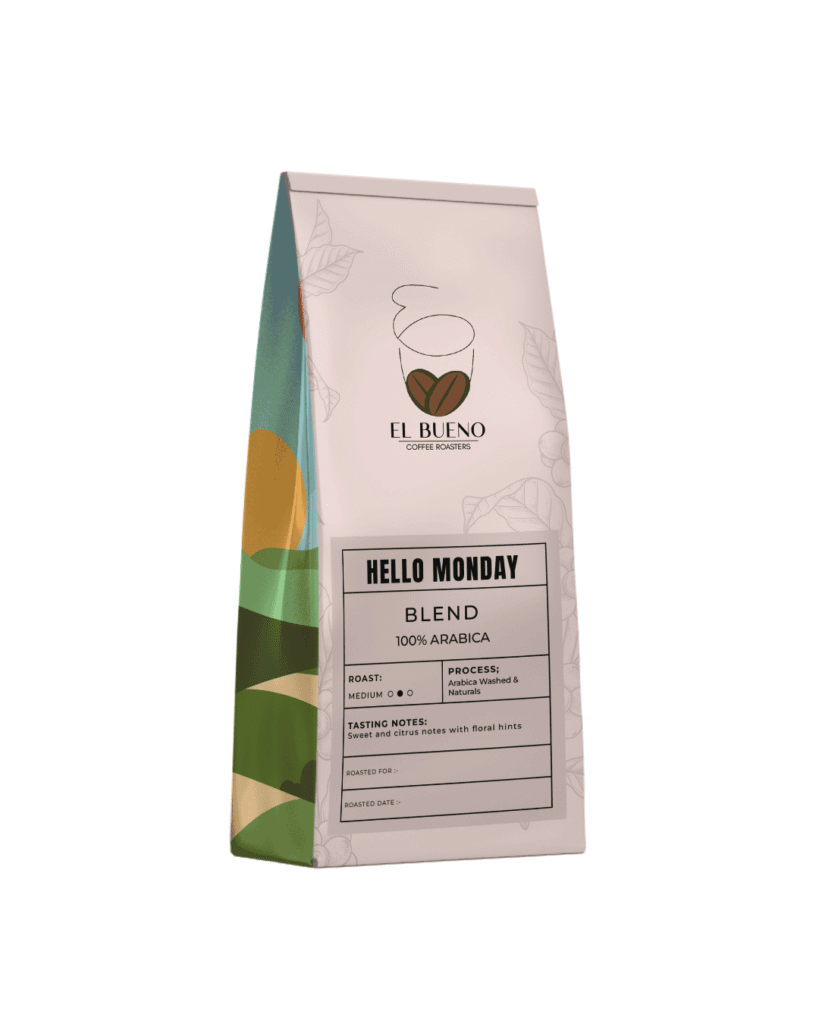
Tasting Notes: Sweet citrus notes with delicate floral hints
Price: ₹720 (250g)
If you enjoy a flat white that feels lively and aromatic, Hello Monday! is a great pick. The citrus brightness cuts through the milk beautifully, while the floral undertones add a refined complexity. It creates a cup that feels light, clean, and slightly more expressive than traditional chocolate-heavy blends.
Best for: Those who like a slightly fruity, modern specialty-style flat white.
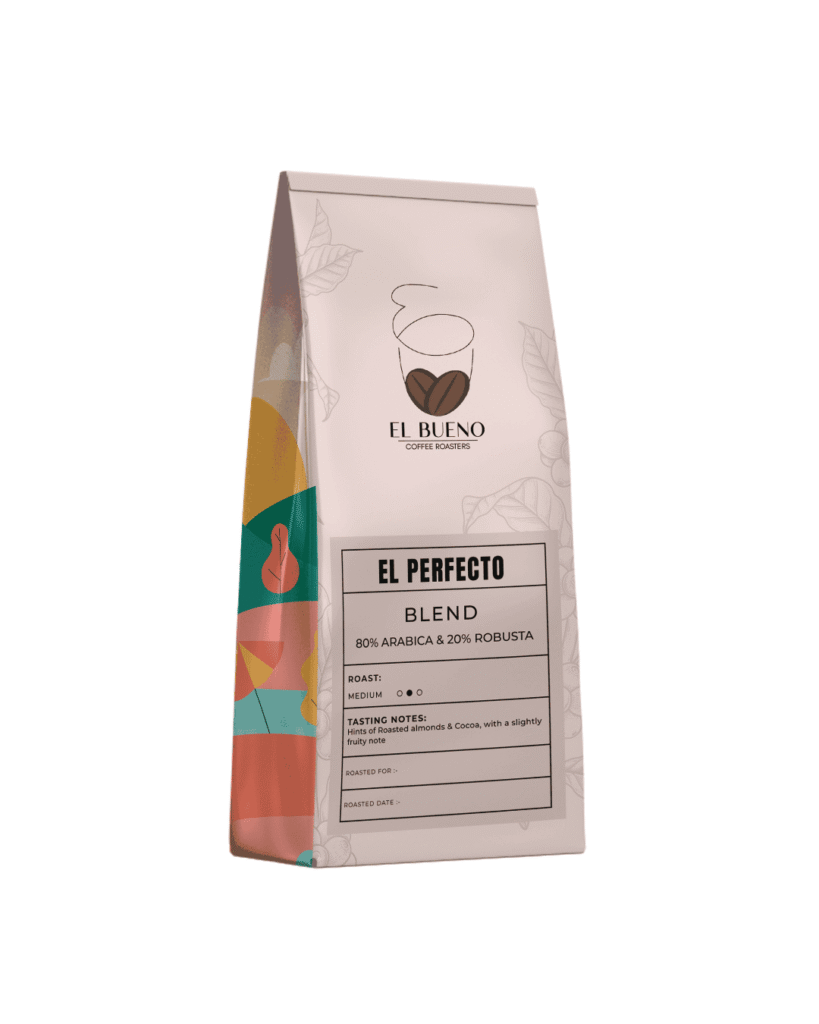
Tasting Notes: Roasted almonds, cocoa, with a slight fruity note
Price: ₹660 (250g)
This is your classic flat white companion. The nutty cocoa base pairs effortlessly with milk, creating a rich, smooth, and comforting cup. The slight fruitiness keeps it from feeling too heavy, making it well-balanced and easy to drink daily.
Best for: A traditional, café-style flat white with strong body and smooth finish.
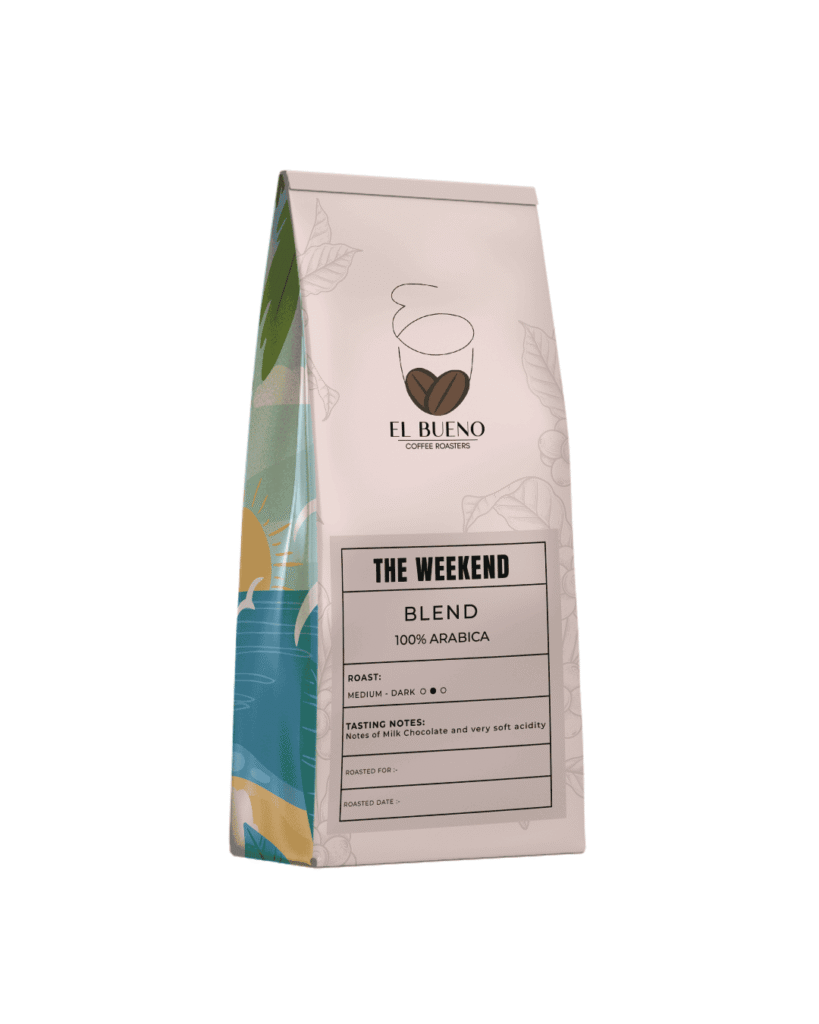
Tasting Notes: Milk chocolate with very soft acidity
Price: ₹780 (250g)
If you prefer a softer, more indulgent flat white, The Weekend delivers exactly that. The milk chocolate notes blend seamlessly with steamed milk, producing a creamy, dessert-like cup with minimal sharpness.
Best for: Smooth, low-acidity flat whites that feel rich and relaxing.
Which One Should You Choose?
Go for Hello Monday! if you want brightness and complexity
Choose El Perfecto (80–20 Blend) for a balanced, everyday flat white
Pick The Weekend if you love chocolatey, smooth, low-acidity coffee



 18Jul
18Jul