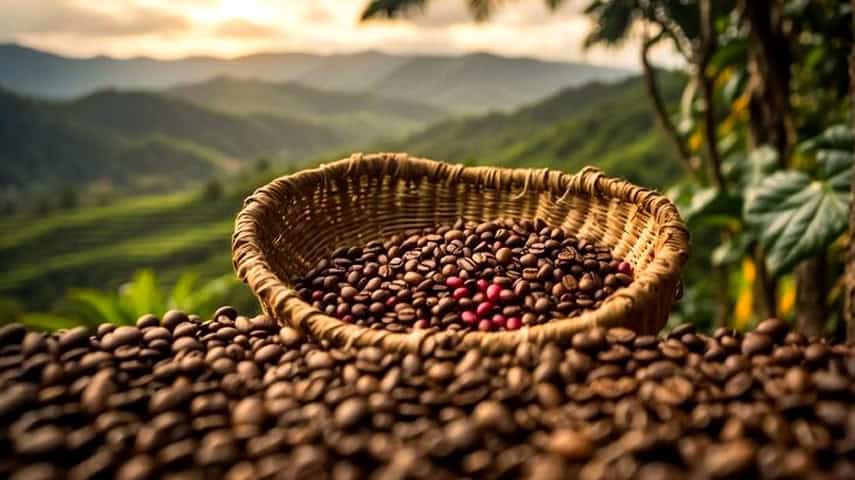
India is one of the world’s most respected coffee-growing countries, known for its rich flavor profiles, shade-grown beans, and unique harvesting traditions. The coffee harvest season in India plays a very important role in determining the taste, aroma, and quality of the coffee we drink every day. From the hills of Karnataka to the plantations of Kerala and Tamil Nadu, every harvest follows a careful process that combines tradition, climate knowledge, and skilled farming.
In this complete guide, we will understand when coffee is harvested in India, how the harvesting process works, what happens after picking, and why fresh harvest coffee tastes better.
Coffee Growing Regions in India
Before understanding the harvest season, it is important to know where coffee is grown in India. Most Indian coffee comes from the southern states, where the climate is perfect for coffee plants.
Major coffee-growing regions include:
- Karnataka (largest producer)
- Kerala
- Tamil Nadu
- Andhra Pradesh (Araku Valley)
- Odisha (small production)
These regions have high altitude, moderate rainfall, and shade trees, which help coffee beans develop complex flavors.
Indian coffee is mainly of two types:
- Arabica – smoother, aromatic, and slightly sweet
- Robusta – stronger, bold, and higher in caffeine
Both types have different harvesting periods, which we will see below.
When Is the Coffee Harvest Season in India?
The coffee harvest season in India usually begins in November and continues until February, depending on the region and type of coffee.
Arabica Harvest Season
- Starts: November
- Peak: December – January
- Ends: February
Robusta Harvest Season
- Starts: December
- Peak: January – February
- Ends: March
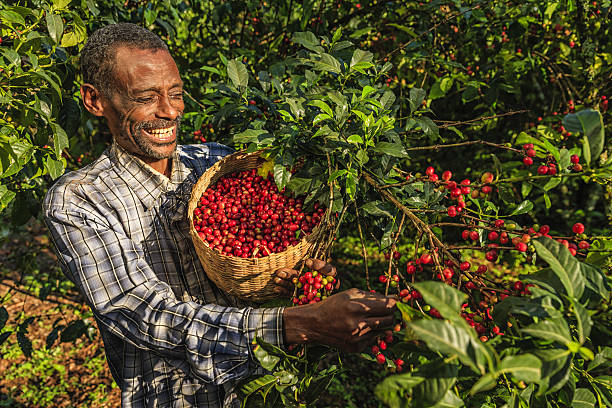
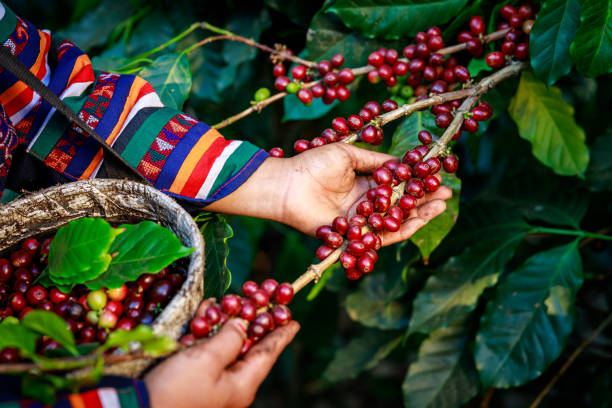
Farmers carefully pick the cherries only when they turn deep red, which means the bean inside has fully developed.
Harvest timing is very important because picking too early or too late can affect the taste of the coffee.
Why the Harvest Season Matters
Many people don’t realize that coffee is a seasonal crop. Freshly harvested beans always taste better because they keep their natural oils, aroma, and sweetness.
During harvest season:
Beans are fresh and full of flavor
- Roasting quality improves
- Coffee has better aroma
- Shelf life is longer
Coffee roasters who work closely with farmers often prefer fresh harvest beans to maintain quality in every batch.
Specialty roasters like El Bueno Coffee Roasters focus on sourcing beans directly from Indian farms during harvest time so that the coffee keeps its natural character and freshness from the very beginning.
How Coffee Is Harvested in India
Unlike some countries that use machines, coffee in India is mostly harvested by hand. This method takes more time but gives better quality.
Step 1 – Checking Ripeness
Farmers check the color of the cherries. Only red and fully ripe cherries are picked.
Step 2 – Hand Picking
Workers carefully pick cherries one by one to avoid damaging the plant.
Step 3 – Sorting
After picking, cherries are sorted to remove unripe or damaged ones.
Hand harvesting ensures that only the best beans move to the next stage.
What Happens After Coffee Harvest?
Harvesting is only the first step. After picking, coffee goes through processing to turn cherries into beans.
1. Pulping
The outer fruit layer is removed to get the beans.
2. Fermentation
Beans are kept in water tanks to remove sticky layers.
3. Washing
Clean water is used to wash the beans.
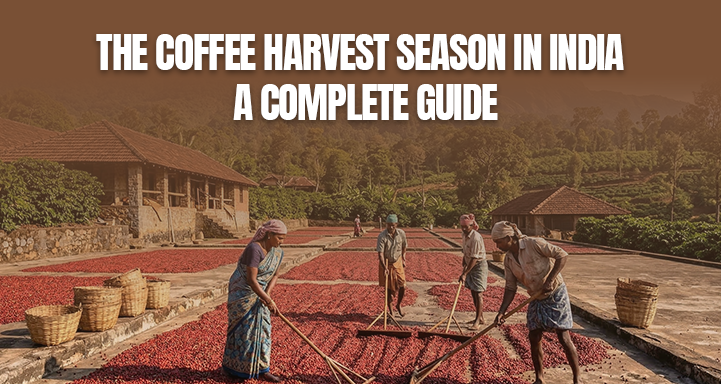
4. Drying
Beans are dried in sunlight for several days.
5. Hulling
The outer dry layer is removed.
6. Grading
Beans are sorted by size and quality.
7. Roasting
Finally, beans are roasted to develop flavor.
At this stage, the skill of the roaster becomes very important. Small-batch roasting methods, like those used by El Bueno Coffee Roasters, help bring out the natural taste of the beans without burning or over-processing them.
Why Fresh Harvest Coffee Tastes Better
Coffee is best when it is fresh from the latest harvest. Old beans lose their aroma and become flat in taste.
Fresh harvest coffee gives:
- Stronger aroma
- Richer flavor
- Better crema in espresso
- Smooth finish
Roasters who roast in small batches usually maintain freshness better because the coffee is not stored for long periods.
Many specialty coffee brands prefer working directly with farmers during harvest season to ensure every batch keeps its original quality.
The Role of Farmers in Coffee Harvest
Coffee farming in India is still very traditional. Most farms are family-run plantations where harvesting is done manually.
Farmers take care of:
- Soil health
- Shade trees
- Rainwater management
- Pest control
- Harvest timing
Because of this careful process, Indian coffee is known for its balanced taste and natural sweetness.
Roasters who build direct relationships with farmers often get better quality beans because they know exactly how the crop was grown and harvested. This approach is followed by brands like El Bueno Coffee Roasters, who work closely with growers to ensure the beans are handled with care from farm to roasting stage.
Small-Batch Roasting After Harvest
After beans arrive from farms, roasting decides the final flavor.
Small-batch roasting is preferred because:
- Each batch gets full attention
- Flavor stays consistent
- Beans don’t burn
- Natural oils stay intact
Artisanal roasting methods allow the unique taste of Indian coffee to stand out. Instead of mass production, careful roasting helps create a richer and more enjoyable cup.
Roasters who follow this method often provide not only coffee beans but also brewing guidance, equipment support, and solutions for cafés and home brewers.
How to Buy Coffee During Harvest Season
If you want the best coffee, try to buy beans close to harvest time.
Tips to choose fresh coffee:
- Check roast date, not expiry date
- Buy whole beans instead of powder
- Choose small-batch roasters
- Look for Indian origin coffee
- Avoid very old stock
Freshly roasted coffee made from recent harvest beans gives the best flavor.
Coffee Harvest Season and Specialty Coffee in India
The rise of specialty coffee in India has made people more aware of where their coffee comes from. Today, many coffee lovers want to know:
- Which farm grew the beans
- When it was harvested
- How it was roasted
- How fresh it is
This is why modern coffee roasters focus on quality sourcing, careful roasting, and maintaining the natural taste of the bean.
Brands like El Bueno Coffee Roasters represent this new approach, where coffee is treated as a craft rather than just a beverage. By working closely with farmers, roasting in small batches, and supporting both home brewers and cafés, they help people experience coffee in a more authentic and flavorful way.
Understanding Coffee Season Helps You Enjoy Better Coffee
Knowing about the coffee harvest season in India helps you understand why some coffee tastes better than others. Harvest time affects freshness, freshness affects roasting, and roasting affects flavor.
From the farms in South India to the roasting process, every step matters. When beans are harvested at the right time, processed carefully, and roasted with attention, the result is a cup of coffee that truly stands out.
Whether you drink coffee at home, in a café, or every morning before work, choosing coffee from the latest harvest season can make a big difference in taste, aroma, and overall experience.


 18Jul
18Jul