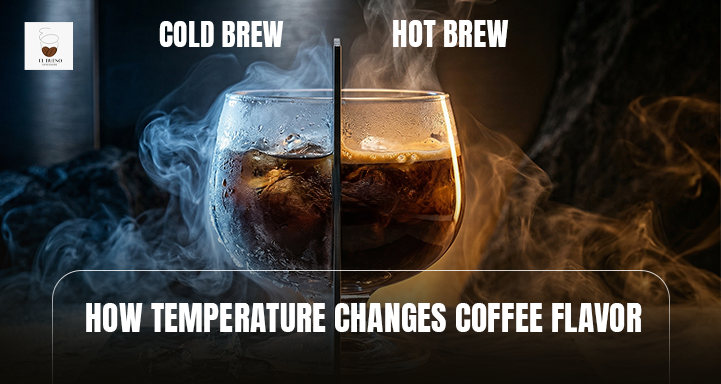
Coffee lovers often debate one fundamental question: cold brew or hot brew? While both methods use the same basic ingredient coffee beans, the brewing temperature dramatically transforms the flavor, aroma, texture, and even the chemical composition of your cup.
Understanding how temperature affects coffee extraction can help you choose the perfect brew for your taste preferences and lifestyle.
What is Hot Brew Coffee?
Hot brew is the traditional method of making coffee using hot water, typically between 90-96°C. This includes popular styles like drip coffee, pour-over, espresso, and French press.
Key Characteristics of Hot Brew:
- Faster extraction (2-5 minutes)
- Higher acidity
- Complex aroma and flavors
- Bright and bold taste profile
Hot water quickly dissolves oils, acids, and soluble compounds from coffee grounds. This rapid extraction is what gives hot coffee its signature aroma and layered flavor notes.
What is Cold Brew Coffee?
Cold brew, on the other hand, is made by steeping coffee grounds in cold or room-temperature water for an extended period, usually 12 to 24 hours.
Key Characteristics of Cold Brew:
- Slow extraction process
- Low acidity
- Smooth and mellow taste
- Naturally sweeter profile
Because cold water extracts compounds more slowly, it pulls out fewer acidic elements, resulting in a softer and less bitter cup.
How Temperature Impacts Coffee Flavor
The real difference between cold brew and hot brew lies in extraction chemistry. Temperature directly affects which compounds are released from the coffee grounds.
1. Acidity Levels
Hot brewing extracts more acids, such as chlorogenic acid, giving the coffee a bright and tangy flavor.
Cold brew extracts fewer acids, making it gentler on the stomach and smoother in taste.
Result:
- Hot Brew = Bright, sharp, vibrant
- Cold Brew = Smooth, low-acid, easy to drink
2. Flavor Complexity
Hot water unlocks a wider range of flavor compounds, including floral, fruity, and nutty notes. This makes hot coffee more complex and aromatic.
Cold brew, due to its slower process, emphasizes chocolatey, nutty, and caramel-like flavors, often muting the brighter notes.
Result:
- Hot Brew = Complex and layered
- Cold Brew = Simple and mellow
3. Bitterness and Sweetness
Bitterness in coffee often comes from over-extraction or high-temperature extraction of certain compounds. Hot brewing can sometimes bring out these bitter notes if not done correctly.
Cold brew reduces bitterness and enhances natural sweetness because it avoids extracting harsh compounds.
Result:
- Hot Brew = Can be slightly bitter
- Cold Brew = Naturally sweeter and smoother
4. Aroma and Volatility
Aroma plays a huge role in how we perceive coffee flavor. Hot coffee releases volatile aromatic compounds immediately, creating that rich, inviting smell.
Cold brew has a more subtle aroma since fewer volatile compounds are released at lower temperatures.
Result:
- Hot Brew = Strong aroma
- Cold Brew = Mild aroma
5. Caffeine Content
There’s a common myth that cold brew always has more caffeine. In reality, it depends on the coffee-to-water ratio.
Cold brew is often more concentrated, which can result in higher caffeine per serving but when diluted, the difference becomes minimal.
Which One Should You Choose?
Your choice between cold brew and hot brew depends on your personal preference and situation.
Choose Hot Brew If:
- You enjoy bold, complex flavors
- You love the aroma of fresh coffee
- You want a quick caffeine fix
Choose Cold Brew If:
- You prefer smooth, low-acid coffee
- You have a sensitive stomach
- You enjoy chilled or refreshing drinks
Quality Beans Make All the Difference
Regardless of the brewing method, the quality of your coffee beans plays a crucial role in the final taste. Poor-quality beans can result in flat or overly bitter coffee, no matter how you brew them.
Specialty brands like El Bueno Coffee Roasters focus on sourcing premium beans and roasting them carefully to highlight their natural flavor profiles. Their approach ensures that whether you choose cold brew or hot brew, you experience clean, well-balanced flavors in every cup.
Final Thoughts
Cold brew and hot brew are not competitors, they are simply different expressions of coffee. Temperature changes how flavors are extracted, leading to two unique experiences from the same beans.
If you’re someone who enjoys exploring flavors, try experimenting with both methods using the same coffee beans. You’ll be surprised at how dramatically temperature alone can transform your cup.
In the end, the “best” coffee is the one that suits your taste, mood, and moment whether it’s a steaming hot morning brew or a chilled, refreshing cold brew on a warm day.

 17Oct
17Oct

 19Dec
19Dec
 13Feb
13Feb
 27Mar
27Mar